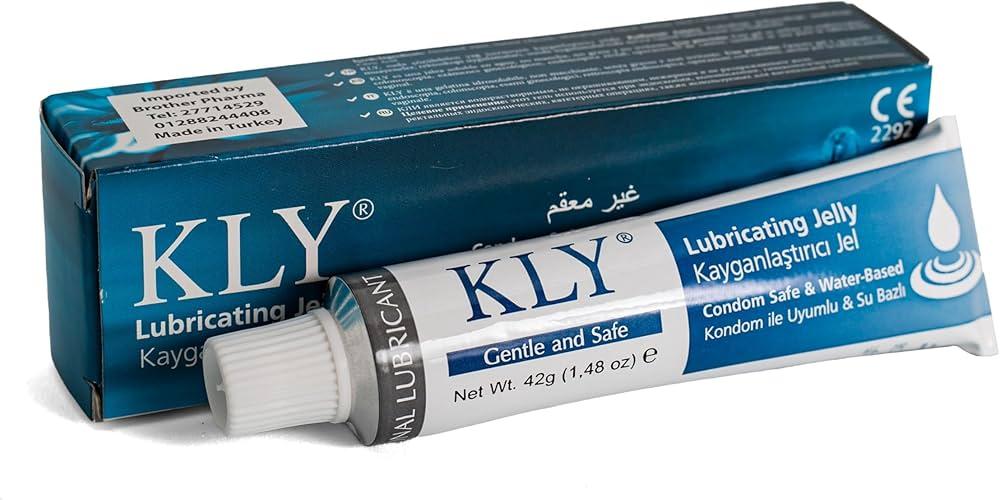
Personal lubricants are one of the most straightforward tools available for intimate wellness. They reduce friction, support comfort, and can meaningfully improve the experience of sexual activity — for people of all genders, ages, and relationship styles.
Among the available types, water-based lubricants are the most universally recommended. Here's why.
How Water-Based Lubricants Work
A water-based lubricant uses water as its primary carrier. The formula typically includes humectants — ingredients like hydroxyethylcellulose or glycerin — that attract and hold moisture, creating a smooth, slick consistency on the skin.
Because the base is water, these lubricants are water-soluble: they dissolve and rinse away cleanly, leaving no long-lasting residue on the body or on fabrics.
Why Water-Based Is Usually the Right Choice
Condom compatibility. Water-based lubricants are fully safe to use with latex, polyisoprene, and polyurethane condoms. Oil-based alternatives can degrade latex and compromise protection. Water-based formulas carry no such risk — making them the recommended choice whenever condoms are in use.
Safe with most intimate accessories. Unlike silicone-based lubricants, water-based formulas won't break down silicone materials, making them broadly compatible with a wide range of products.
Easy clean-up. Water-soluble means washable. A rinse with water is all it takes — no staining, no build-up, no residue.
Gentle on sensitive tissue. Most water-based lubricants are formulated to be non-irritating. Fragrance-free and additive-free versions are readily available for those with sensitivities.
Who Benefits Most
Water-based lubricants are appropriate for most adults, and particularly helpful for:
- People experiencing vaginal dryness — whether from hormonal shifts, breastfeeding, menopause, or medication side effects
- Anyone using condoms as a contraceptive method
- Those with sensitive skin or a history of reactions to other lubricant types
- People seeking a straightforward, low-fuss addition to their intimate routine
What to Look for on the Label
Not all water-based lubricants are formulated equally. A few things worth noting:
Osmolality. Lower osmolality is generally gentler on delicate tissues. The World Health Organization recommends lubricants under 380 mOsm/kg for optimal safety — a useful benchmark when comparing products.
Glycerin content. Glycerin is a common humectant, but for people prone to yeast infections, glycerin-free options may be preferable.
Parabens and fragrances. These additives are worth avoiding for sensitive users, as they can cause irritation in some individuals.
The Bottom Line
Water-based lubricants are safe, versatile, easy to use, and well-supported by both clinical research and decades of widespread use. They work gently with the body — not against it.
For most adults, most of the time, a quality water-based lubricant is simply one of the smartest, most low-effort investments in intimate health and pleasure you can make.
Tags: water-based lubricant, personal lubricant guide, intimate wellness, sexual health education, vaginal dryness, condom-safe lubricant, lubricant ingredients, body-safe intimate products, sexual wellness tips, osmolality lubricant