Sildenafil Explained: What Men Should Actually Know About ED Treatment
Men's sexual health | Erectile dysfunction | Evidence-based wellness
Erectile dysfunction is one of the most common male health concerns in the world — and one of the least openly discussed. It affects an estimated 30 million men in the United States alone, yet many go years without understanding why it happens or what clinically proven options exist.
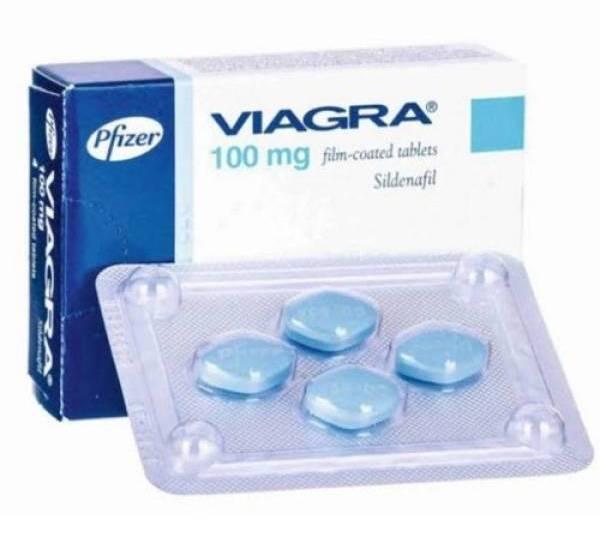
Sildenafil — the active compound in Viagra® — remains the most studied and widely prescribed treatment for ED. Here's what men (and their partners) deserve to know.
What Is Sildenafil?
Sildenafil is a phosphodiesterase type 5 (PDE5) inhibitor. In plain terms, it relaxes the smooth muscle lining blood vessels in erectile tissue, allowing significantly increased blood flow when a man is sexually stimulated.
It does not create erections spontaneously. Sexual arousal is still required. What sildenafil does is remove a physiological barrier — allowing the body's natural response to work the way it's meant to.
What Causes Erectile Dysfunction?
ED is rarely just psychological. Common contributing factors include:
- Cardiovascular health — reduced circulation is the most common physical cause
- Hormonal changes — declining testosterone, thyroid imbalances
- Diabetes — nerve and blood vessel damage affecting erectile tissue
- Medications — antidepressants, antihypertensives, and others can impair function
- Chronic stress and anxiety — psychological load creates real physiological effects
- Lifestyle factors — alcohol, smoking, poor sleep, and sedentary habits all play a role
Understanding the root cause matters. Sildenafil addresses the vascular mechanism effectively, but lifestyle and underlying conditions should always be assessed alongside treatment.
How Quickly Does It Work — and How Long Does It Last?
Sildenafil typically takes effect within 30 to 60 minutes of ingestion. Its effects can last four to six hours, though individual response varies. Taking it on an empty stomach (or with only a light meal) tends to produce faster onset — fatty meals can delay absorption.
It is taken on-demand, not as a daily supplement, though daily low-dose regimens exist and are prescribed in specific clinical contexts.
Is It Safe?
For most healthy adult men, sildenafil is well tolerated. Common side effects are mild and transient:
- Facial flushing
- Mild headache
- Nasal congestion
- Visual sensitivity to light (rare)
Important contraindication: Sildenafil must not be combined with nitrate medications (used for chest pain or heart conditions). The combination can cause a dangerous drop in blood pressure. Always disclose all current medications to a prescribing physician before use.
Who Should Speak to a Doctor First?
All men considering sildenafil should consult a healthcare provider — but it is especially important for those with:
- Heart disease or recent cardiac events
- Uncontrolled high or low blood pressure
- Liver or kidney impairment
- A history of stroke
- Current use of alpha-blockers or nitrates
The Bigger Picture: Sexual Health as Whole Health
ED is frequently an early indicator of broader cardiovascular or metabolic health. Many clinicians now treat it as a meaningful signal — not just a performance concern, but a window into overall wellbeing.
Addressing ED honestly — with accurate information and appropriate clinical support — is one of the most proactive things a man can do for his long-term health.
Shame has no place in that conversation.
This article is intended for informational purposes only and does not constitute medical advice. Always consult a qualified healthcare provider before beginning any new treatment.
Tags: sildenafil, erectile dysfunction explained, how Viagra works, PDE5 inhibitors, men's sexual health, ED causes, male health education, sexual wellness, evidence-based men's health, ED treatment guide